
As Sri Lanka continues to develop high-rise buildings, commercial complexes, and critical infrastructure, fire safety engineering is becoming increasingly performance-driven. One of the most overlooked risks in buildings is the role of HVAC duct systems during a fire event.
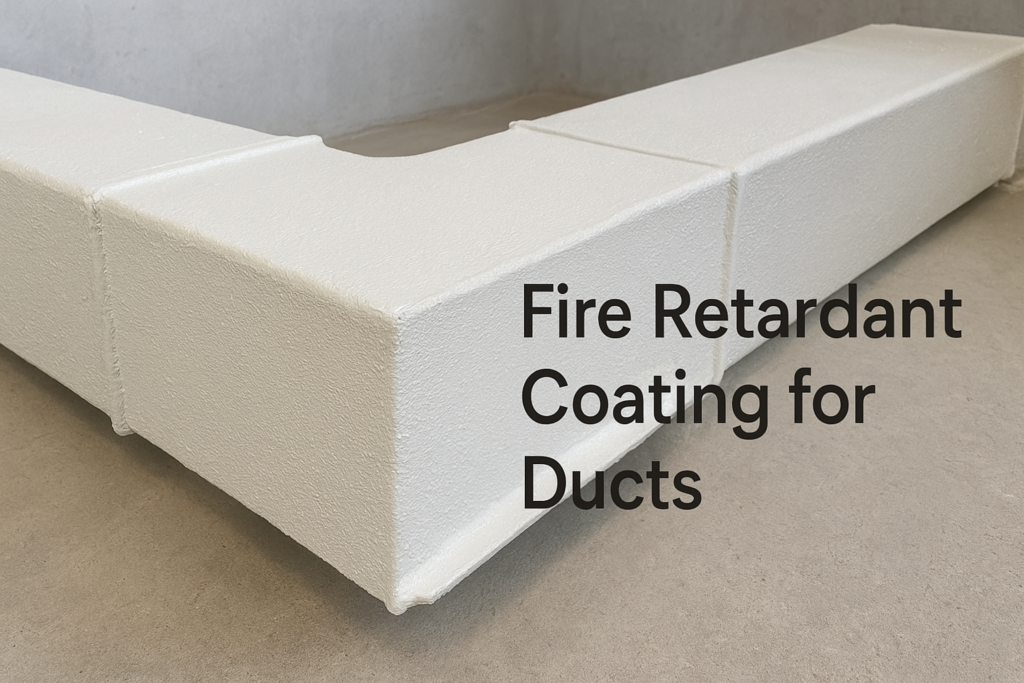
Y V Trading Private Limited now offers a complete fire-rated intumescent coating system for GI ducts which are used in staircase pressurization system, basement smoke extraction system, kitchen exhaust system, & other emergency response systems, tested and compliant with BS 476 Part 20 & Part 24, delivering reliable passive fire protection without bulky enclosures
Why HVAC Ducts Require Fire Protection
HVAC ducts are integral to building ventilation, but during a fire event, they can unintentionally act as conduits for:
- Rapid fire propagation between compartments
- Smoke and toxic gas movement
- Heat transfer across fire zones
Without adequate protection, duct systems compromise compartmentation strategies and significantly increase fire risk.
The Role of Intumescent Coating Systems
Fire-rated intumescent coatings provide a passive fire protection solution specifically designed for duct systems. When exposed to high temperatures, these coatings expand to form an insulating char layer that:
- Reduces heat transfer
- Maintains duct integrity under fire conditions
- Prevents flame spread through ductwork
This ensures that the duct system continues to perform its intended function—especially critical for smoke extraction systems during emergencies.
Key Benefits for Sri Lankan Construction Projects
1. Fire Containment and Compartmentation
Coated duct systems help maintain fire-rated barriers, preventing the spread of flames, smoke, and hot gases between zones.
2. Structural Integrity at Elevated Temperatures
Unprotected GI ducts can deform or collapse under heat. Intumescent coatings provide thermal insulation, preserving structural stability.
3. Enhanced Life Safety
By slowing fire spread and maintaining smoke extraction efficiency, these systems provide valuable time for evacuation and firefighting.
4. Compliance with International Standards
The system is tested in accordance with:
- BS 476 Part 20 (Fire Resistance of Building Elements)
- BS 476 Part 24 (Fire Resistance of Ventilation Ducts)
This ensures suitability for projects requiring stringent fire safety compliance.
5. Protection of Critical Infrastructure
Ideal for:
- Hospitals
- Data centers
- Commercial high-rises
- Industrial facilities
- Hotels and mixed-use developments
Types of Duct Systems That Can Be Protected
The coating system is applicable across a wide range of duct applications, including:
- HVAC supply and return air ducts
- Kitchen exhaust ducts
- Smoke extraction ducts
- Laboratory and industrial exhaust systems
- Cable tray and service ducts
System Composition and Application Methodology
A complete fire-rated duct coating system typically consists of:
1. Surface Preparation
Proper cleaning and preparation of GI duct surfaces to remove contaminants and ensure adhesion.
2. Primer Layer
Applied to enhance bonding and provide corrosion resistance.
3. Intumescent Base Coat
A high-performance coating layer that delivers fire resistance and thermal insulation.
4. Intermediate / Second Coat
Enhances fire rating performance and system durability.
5. Protective Top Coat (Optional)
Provides:
- Environmental resistance
- Anti-carbonation properties
- Improved aesthetics
6. Joint Protection System
Specialized sealants and fire-resistant gaskets are applied at duct joints to:
- Prevent fire and smoke leakage
- Maintain air pressure integrity
Performance Characteristics
The system offers:
- Proven fire resistance performance under BS 476 Part 20 & 24
- Strong adhesion to GI duct surfaces
- Anti-corrosive and anti-microbial properties
- Durability exceeding 7–10 years depending on system specification
- Low VOC options suitable for environmentally sensitive applications
Why This Matters for Sri Lanka
With increasing urbanization and the rise of high-rise developments in Sri Lanka, fire safety standards are becoming more stringent. Developers, consultants, and contractors must adopt globally compliant passive fire protection systems to:
- Meet regulatory expectations
- Enhance building certification prospects
- Improve occupant safety
- Reduce long-term risk and liability
Fire-rated duct coating systems provide a cost-effective, space-saving alternative to traditional fire-rated enclosures, making them particularly suitable for modern construction constraints.
Conclusion
Fire protection of HVAC ducts is no longer optional—it is a critical component of a comprehensive fire safety strategy. Intumescent coating systems offer a technically advanced, tested, and efficient solution to mitigate fire risks associated with ductwork.
Y V Trading Private Limited is committed to supporting the Sri Lankan construction industry with globally compliant fire protection solutions tailored to local project requirements.